What is the EU Organic Regulation (EU) 2018/848?
The European Union's updated Organic Regulation, (EU) 2018/848, entered into force on January 1, 2022, officially replacing the former Regulation (EC) No 834/2007. The primary objective of this new legal framework is to strengthen consumer trust, tighten organic production rules, and ensure a "level playing field" between producers within the EU and those exporting from third countries. This regulation represents the highest legal requirement for all products—from raw agricultural materials to processed foods and feed—that are to be sold with an "organic" label in the European market.
Key Technical Criteria of the EU 2018/848 Regulation
The new regulation introduces significant structural changes to the supply chain. The technical innovations directly affecting exporters and producers can be summarized as follows:
From "Equivalence" to "Compliance":
Under the old system, producers in non-EU countries could operate under rules that were equivalent (similar) to EU standards. The new regulation abolishes this. Now, no matter where you are in the world, to sell organic products in the European market, you must comply with the exact same rules (Full Compliance) as a farmer operating within the EU.
Group of Operators Certification:
The regulation standardizes the "Group Certification" system for smallholder farmers globally. Farmers under specific size and turnover limits can unite under a single legal entity to reduce certification costs, provided they operate a robust Internal Control System (ICS).
Precautionary Measures against Contamination:
Operators are legally required to take much stricter precautionary measures across the entire supply chain to prevent contamination from non-authorized products (pesticides, synthetic chemicals, GMOs, etc.). In the event of unauthorized substance detection, much faster and stricter procedures are triggered to suspend or revoke the product's organic status.
Soil-Bound Production and Scope Expansion:
Hydroponic production is explicitly excluded; organic crop production must be soil-bound. Furthermore, the scope of the regulation has been expanded to clearly cover specific product groups such as sea salt, mushrooms, beeswax, essential oils, and raw cotton and wool.
Why Choose EU Organic (2018/848) Certification with ETKO?
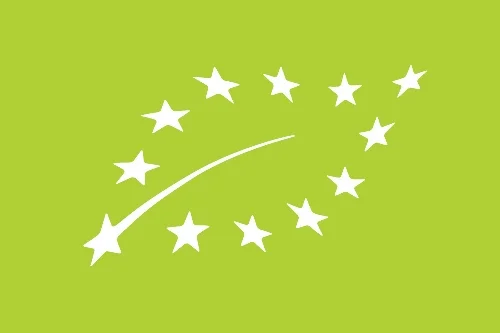
The European Union is one of the world's largest organic markets, and the "full compliance" rules introduced by (EU) 2018/848 are complex and stringent. ETKO is an authorized certification body recognized by the European Commission to perform audits and issue certifications in third countries under this new regulation. Working with ETKO's expert auditors ensures a smooth navigation of the new legal requirements, eliminating trade barriers, and allowing you to confidently export your products bearing the EU Euro-leaf logo.
申请流程
在 ETKO,我们以透明、高效、清晰的方式管理您的申请。流程包括以下步骤:
01.申请与信息沟通
收集贵公司架构与生产工艺的初步信息。
02.方案与合同
提供详细的检验方案,并在您确认后签署合同。
03.审核前准备
准备所需文件(化学品清单、社会责任文件等)。
04.现场审核
ETKO 专业审核员到访贵司现场,对照准则核查符合性。
05.报告与发证
在不符合项(如有)关闭后,批准审核报告并颁发证书。